


Two different routes
| Comparison | Chip repair assessment | Replacement enquiry |
|---|---|---|
| Starting point | Assess the impact and surrounding glass. | Check the damage and identify the correct glass. |
| What to send | Close-up and full-screen photos, registration and postcode. | The same details, plus heating, sensors or camera information. |
| Decision | A technician must confirm whether repair is appropriate. | Confirm the glass, fitting scope and equipment requirements. |
| Before using the vehicle | Follow the instructions given for your repair. | Follow the fitting aftercare and specified drive-away wait. |
A chip type describes appearance, not a guaranteed result
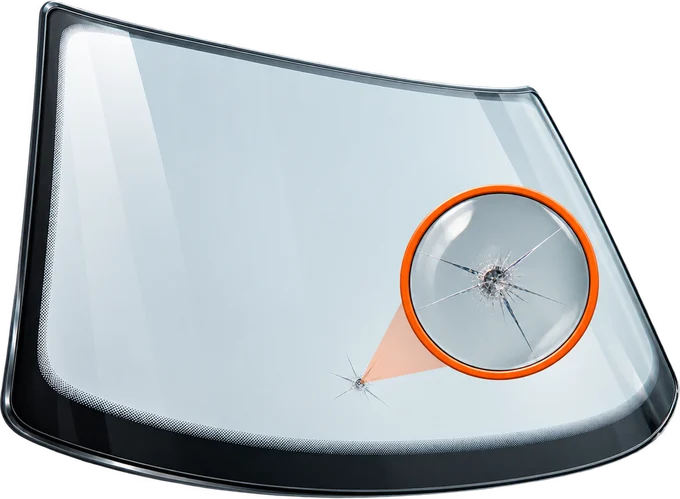
Star chips, round impact marks and half-moon damage help describe what you see. A long crack calls for assessment too. The name of the damage does not guarantee that repair will be possible.
Photograph both the close-up damage and its position in the full screen. Do not obscure the camera or driver-view area in the wider picture. If visibility is affected, arrange advice before using the vehicle.
MOT inspection is not a repairability test
The DVSA inspection manual asks testers to check damage above 10 mm in zone A and above 40 mm elsewhere in the swept area. Zone A is a 290 mm-wide area centred on the steering wheel within the swept area.
The manual also says that a damage-related failure is justified only when the driver’s road view is significantly affected. These inspection points are not a promise that smaller damage is safe or repairable; the condition and position still need assessment.
If replacement is needed, check more than the crack
Tell us about heating, rain sensors, cameras or a head-up display. The existing glass specification matters even when the damage is obvious. We confirm the work and price before booking a mobile visit.
Sources and further reading
Manufacturer information applies to the vehicle and equipment described. Confirm the requirements for your own vehicle before booking.